
Choosing the right Floor Drain in 2026 requires more than comparing prices, finishes, and outlet sizes. Drainage needs vary between a residential bathroom, commercial kitchen, hospital corridor, and outdoor loading area. Each space presents different water volumes, debris levels, cleaning routines, and safety expectations. A drain that performs well in a shower may fail under grease, sediment, or heavy trolley traffic.
Plumbing writer Dan Holohan is often associated with the practical warning, “Water always wins.” That short statement deserves attention. A Floor Drain must manage water before it becomes a structural, hygienic, or operational problem. Good selection begins with the project’s flow rate, pipe diameter, trap depth, grate loading, waterproofing method, and maintenance access. Stainless steel may suit demanding environments, while polymer drains can offer useful corrosion resistance and lower installation costs. The best material depends on exposure, not fashion.
Real project experience also shows uncomfortable truths. A beautiful grate cannot correct poor slope design. A deep trap cannot compensate for neglected cleaning. Even an accurate product specification may fail when installers overlook the finished floor height. Small errors spread. For this reason, architects, plumbers, contractors, and facility managers should review the Floor Drain together before purchasing. Check local plumbing requirements, manufacturer test data, accessibility needs, and replacement availability. Do not select from a catalogue image alone. In 2026, the right Floor Drain is the one that fits the complete drainage system, remains serviceable, and performs reliably after the project photographs are forgotten.
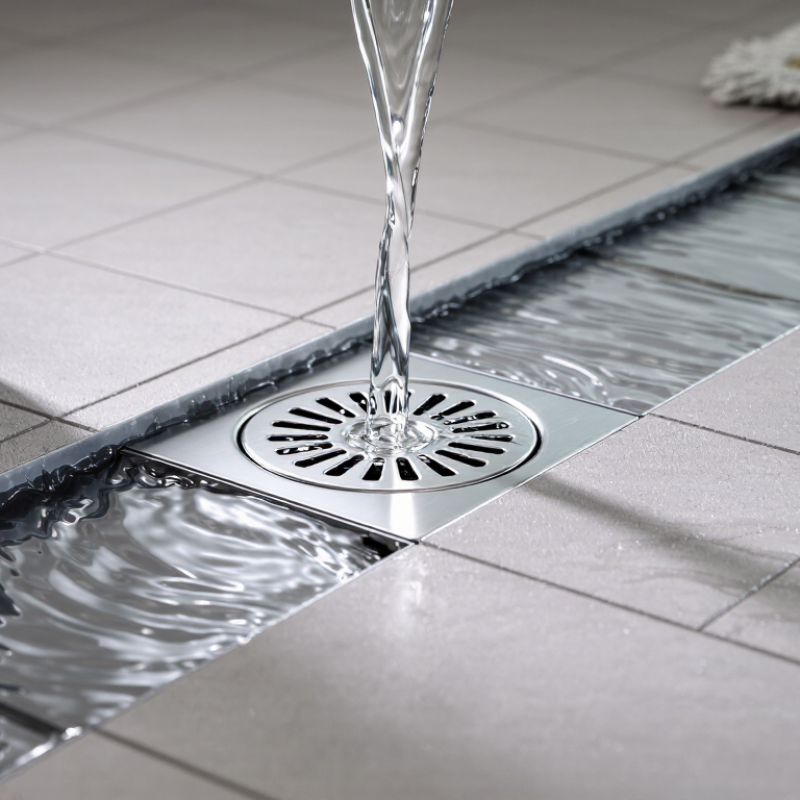
Choosing a floor drain starts with function, not appearance. Ask what enters the drain, how often, and at what flow rate. A shower drain handles regular water and hair. A laundry room may receive lint, detergent, and sudden discharge. A plant room might face oils, heat, or cleaning chemicals. These differences affect grate openings, outlet size, trap design, and cleanout access. Small detail. Big consequence.
The installation environment is equally important. Measure the slab depth before selecting the drain body. Confirm the finished floor height, waterproofing method, and pipe direction. In a basement, a reliable trap seal helps limit sewer odors. In an outdoor area, the drain needs protection from debris and freeze-related movement. Areas with carts or vehicles require a load rating suited to actual traffic. Wet rooms also need a flange that bonds securely with the waterproof membrane. Local plumbing, accessibility, and structural requirements should guide the final choice. Product data should verify flow capacity, material compatibility, and temperature limits.
During site checks, I have seen attractive drains installed too low for proper slope. Water then lingers around the grate. That mistake is expensive to correct. I once treated easy cleaning as a minor feature. It was not. Removable strainers and accessible traps reduced maintenance time noticeably. Still, every project is different. A high-flow drain may be unnecessary in a small bathroom, while a narrow grate may clog quickly in a workshop. Recheck the drawings against real site conditions before fixing the drain.

2026 How to Choose the Right Floor Drain for Your Project?
Choosing a floor drain starts with water volume, not appearance. A laundry room needs steady drainage from washing machines and utility sinks. A bathroom usually handles lighter, intermittent flow. Garage drains may face grit, oil residue, and sudden runoff. Point drains suit compact spaces with four-way floor slopes. Linear drains work well beside showers, especially with large-format tiles.
Drain body materials affect durability and maintenance. Stainless steel resists corrosion and creates a clean, modern surface. Cast iron offers strength but requires careful protection against rust. PVC is lightweight and practical for many residential systems. The grate also matters. Narrow openings improve walking comfort, while wider openings clear debris faster. I once chose a fine grate for a workshop. It looked neat, but sawdust blocked it quickly.
Drainage design deserves close attention. The floor should slope consistently toward the outlet, without shallow dips that hold dirty water. A correctly sized trap helps control odors and supports hygienic operation. Check the expected flow rate, pipe diameter, cleaning access, and local plumbing requirements before installation. A waterproof membrane must connect securely around the drain body. Small installation gaps can cause expensive moisture damage.
I now inspect the drain location during actual water testing. This reveals slow flow, pooling, and unstable grates. My earlier selections focused too much on finish. That was a useful mistake. Good drainage is quiet, accessible, and easy to clean.
| Drain Type | Typical Outlet Size | Indicative Flow Capacity | Common Materials | Recommended Drainage Design | Best-Fit Applications | Main Advantages | Key Selection Considerations |
|---|---|---|---|---|---|---|---|
| Point Floor Drain | 50–100 mm outlet | Approximately 0.5–3.0 L/s, depending on outlet size, head, grate, and trap design | Stainless steel, cast iron, coated steel, polypropylene, ABS, or PVC | Sloped floor directed toward a central grate; usually installed at the lowest point | Bathrooms, utility rooms, plant rooms, kitchens, and small wet areas | Simple layout, compact footprint, easy to specify, and generally economical | Requires accurate floor falls; multiple drains may be needed for large or irregular areas |
| Linear Shower Drain | 40–75 mm outlet | Approximately 0.4–1.5 L/s for typical residential configurations | Stainless steel, polymer concrete, ABS, PVC, or coated steel | One-way or two-way floor slope toward a long channel positioned at a wall or entrance | Barrier-free showers, accessible bathrooms, wet rooms, and contemporary residential interiors | Supports level-entry shower floors and allows larger-format floor tiles | Waterproofing, channel alignment, cleaning access, and grate height must be coordinated carefully |
| Trench Drain | 75–200 mm outlet or multiple outlets | Approximately 1.5–10.0 L/s; capacity varies significantly with channel width and outlet spacing | Polymer concrete, stainless steel, galvanized steel, cast iron, or polymer plastic | Continuous channel with a grated or slotted cover and one or more collection outlets | Garages, loading zones, entrances, commercial kitchens, workshops, and industrial floors | Collects water across a wide line and handles surface runoff efficiently | Channel load rating, outlet spacing, invert level, sediment access, and installation accuracy are critical |
| Slot Drain | 50–150 mm outlet or multiple outlets | Approximately 1.0–8.0 L/s, subject to slot width, channel depth, and outlet arrangement | Stainless steel, polymer concrete, galvanized steel, or coated steel | Narrow continuous slot integrated into the floor surface, often with a concealed channel body | Commercial washrooms, food-processing areas, public buildings, and architectural interiors | Minimal visual impact, continuous drainage line, and relatively easy surface cleaning | Requires precise setting-out; narrow openings may be less suitable for heavy debris or sediment |
| Balcony and Terrace Drain | 50–100 mm outlet | Approximately 0.8–4.0 L/s, depending on rainfall intensity and roof-drainage design | Stainless steel, aluminum, cast iron, PVC, or UV-resistant polymer | Point or linear drain connected to a waterproofed balcony or terrace surface, commonly with a leaf guard | Balconies, terraces, roof decks, podiums, and external walkways | Designed for outdoor exposure and can be integrated with waterproofing systems | Local rainfall data, overflow protection, freeze exposure, UV resistance, and membrane compatibility must be checked |
| Heavy-Duty Floor Drain | 75–150 mm outlet | Approximately 2.0–8.0 L/s, depending on grate design and outlet configuration | Cast iron, ductile iron, stainless steel, or reinforced polymer concrete | Deep-body drain with sediment bucket, removable grate, and optional trap primer or cleanout | Warehouses, workshops, factories, parking areas, mechanical rooms, and service corridors | High mechanical strength and better resistance to impact, abrasion, and vehicle traffic | Confirm structural load class, corrosion exposure, grate fixing, maintenance access, and floor thickness |
| Backwater-Protected Drain | 50–100 mm outlet | Typically limited by the valve or flap assembly; verify manufacturer-tested capacity | Stainless steel, cast iron, PVC, ABS, or engineered polymer | Floor drain fitted with a backwater valve, flap, or non-return mechanism | Basements, below-grade utility rooms, laundry rooms, and areas connected to vulnerable drainage lines | Helps reduce the risk of wastewater returning through the floor drain | Requires regular inspection and cleaning; it should not replace a complete backflow-control strategy |
| Grease-Resistant Floor Drain | 75–100 mm outlet | Approximately 1.0–5.0 L/s, depending on grate, trap, and connected pipework | Stainless steel, cast iron, polypropylene, or chemical-resistant polymer | Drain body with removable sediment basket, deep seal, and accessible trap or cleanout | Commercial kitchens, food preparation rooms, canteens, and wash-down areas | Improves access for removing food particles, grease deposits, and sediment | Local plumbing regulations may require a separate grease interceptor; routine cleaning remains essential |
| Low-Profile Renovation Drain | 40–75 mm outlet | Approximately 0.4–2.0 L/s, depending on available depth and outlet geometry | Stainless steel, ABS, PVC, polypropylene, or composite polymer | Shallow drain body installed where structural depth is restricted, often with a linear channel | Bathroom renovations, apartment upgrades, timber floors, and restricted-depth installations | Useful where existing slab depth or floor build-up limits conventional drain installation | Check available fall, connection direction, trap depth, waterproofing details, and access for maintenance |
Floor drain selection should begin with drainage capacity, not appearance. Measure the expected water flow in litres per minute. For example, two shower areas producing 18 litres per minute each require at least 36 litres per minute of drainage capacity. Add a safety margin for sudden discharge, debris, and imperfect installation. The drain outlet and pipe must handle this flow together. A large grate cannot compensate for a narrow or poorly sloped pipe.
Pipe size depends on flow rate, pipe length, slope, connection layout, and local plumbing requirements. A 50 mm pipe may suit a small bathroom, but it is not automatically suitable for a commercial wash area. Check tested drain performance and confirm the pipe’s capacity under the actual installation slope. On site, I have seen water collect because the outlet was sized correctly, but the horizontal pipe had almost no fall. Measure twice. Water finds gaps.
Tips: Sketch every drain, branch, and vertical connection before purchasing materials. Keep the pipe route short and use smooth bends where possible. Test the system with clean water before covering the floor. This simple check can reveal slow flow, trapped air, or an incorrect connection. When calculations seem uncertain, ask a licensed plumbing professional to review the design and local code requirements. Guessing saves minutes, sometimes. Repairing a flooded floor does not.
Choosing the right floor drain starts with the project’s waterproofing plan. On site, I check the drain body, membrane connection, and finished floor height together. A drain should guide water away without creating a weak point around the opening. The waterproofing layer must overlap securely with the drain flange. Even a small gap can allow moisture beneath tiles. Confirm the slope, too. Standing water often signals poor installation, not a defective drain.
Odor control deserves equal attention. A water trap can block sewer gases, but it may dry out in rarely used rooms. Mechanical seals can help, although their performance depends on clean, correct installation. I prefer removable internal parts for kitchens, bathrooms, and utility areas. Hair and soap collect quickly. Cleaning should not require special tools or dismantling half the floor. Lift the cover and inspect the channel. Simple access prevents neglected maintenance.
Safety features are easy to overlook during selection. Choose a cover with stable support and a slip-resistant surface, especially near showers or entrances. Sharp edges can injure bare feet. Small openings may also trap jewelry or create hazards for children. I once approved a drain with an attractive pattern, then noticed its narrow channels clogged during testing. That mistake changed my inspection checklist. Appearance matters, but drainage speed, cleaning access, and safe footing matter more. Check each feature under realistic conditions, including heavy water flow and wet footwear.
How to Choose the Right Floor Drain for Your Project?
Start with standards, not appearance. ASME A112.6.3 covers floor and trench drains, while the 2024 International Plumbing Code guides sizing, trap seals, cleanouts, and indirect waste connections. Confirm local requirements before selecting materials. A busy commercial kitchen needs strong flow capacity, removable strainers, and corrosion resistance. A residential bathroom may need less capacity but better odor control.
Maintenance often decides long-term value. The U.S. Environmental Protection Agency’s WaterSense at Work guidance reports that commercial and institutional facilities use about 17% of public water supplies. Small drainage failures can therefore affect hygiene, repairs, and operating costs. Inspect the drain opening, trap, grate, and surrounding seal during routine cleaning. No drain is maintenance-free. Choose parts that staff can remove without special equipment. A practical detail matters: a grate that lifts easily encourages regular cleaning.
Budget beyond the purchase price. NIST’s Life-Cycle Costing Manual recommends considering acquisition, operation, maintenance, replacement, and disposal costs. A cheaper drain may require frequent labor, custom parts, or early replacement. Stainless steel can suit demanding areas, while coated materials may fit lighter-duty spaces. My first specification was too narrow: I focused on the drain body and overlooked access for future repairs. That mistake is easy to repeat. Review expected traffic, cleaning chemicals, water temperature, and local service availability before approving the final selection.
Copyright ©2024 Elephant Lifting Products | All rights reserved.
38381 N Robert Wilson Rd, Gonzales, LA 70737 USA
Toll Free: (888) 844-6113 | Phone: (225) 644-6113 | Fax: (225) 644-6695
Email: sale@floralift.org