
Choosing the right Packing Covers involves more than selecting a material and checking its price. A cover must protect goods from dust, moisture, abrasion, sunlight, and unexpected handling. The wrong choice may trap condensation beneath a plastic sheet. It may also tear around sharp pallet edges.
Dr. Susan Selke, a respected packaging scientist, offers a useful principle: “Good packaging protects the product while using resources responsibly.” That idea matters when comparing woven covers, laminated sheets, reusable tarpaulins, and breathable fabric options. Each material behaves differently in storage, transport, and outdoor conditions. A warehouse manager should inspect seams, eyelets, fastening points, and surface strength before approving a product. Small details matter. A weak corner can ruin an otherwise durable cover.
This guide presents 10 practical tips for choosing suitable Packing Covers. It considers product size, load shape, weather exposure, ventilation, cleaning needs, reuse potential, and total cost. Measurements should include extra allowance for folds and tie-downs. However, more material is not always better. Excess fabric can collect water, catch wind, or create handling problems. That point is easy to overlook. Some recommendations may also need adjustment after real-world testing, because supplier specifications cannot predict every warehouse condition. A trial installation can reveal gaps, awkward fastening, or poor airflow before a larger purchase. The best decision balances protection, usability, durability, and responsible resource use.
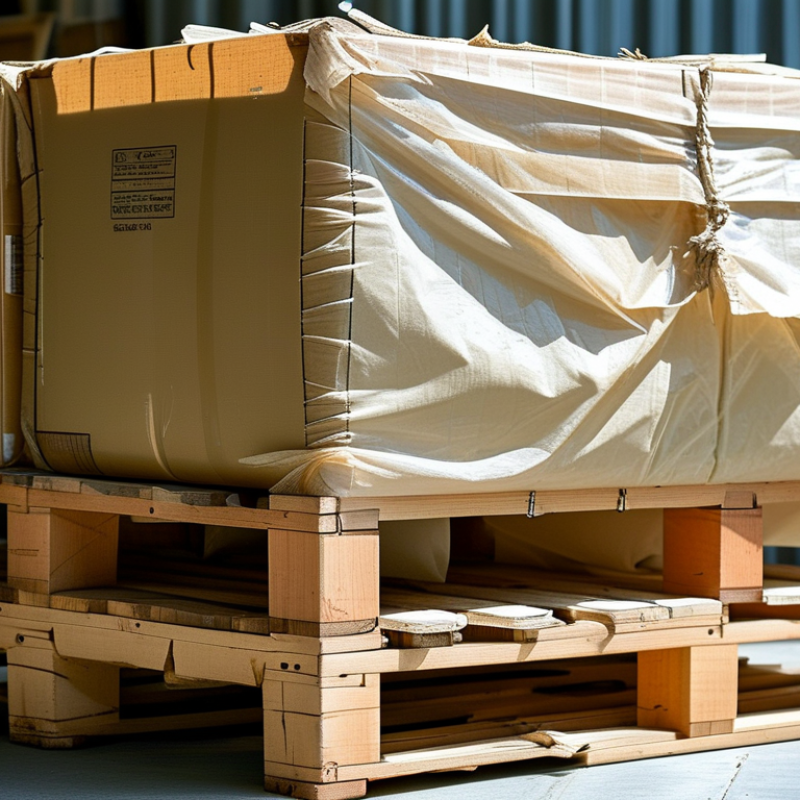
Before choosing a packing cover, define what it must protect and where it will work. Start with the load. Is it clean equipment, furniture, food-contact packaging, or fragile machinery? Each use requires different protection. A warehouse cover may only block dust, while a transport cover must resist rain, abrasion, and repeated handling. Record the cover’s purpose before comparing materials.
Study the actual conditions, not just the product description. Check temperature changes, sunlight, humidity, wind, and storage time. A cover placed on a loading dock may face sharp corners, oily surfaces, and forklift movement. Measure the object, including handles and protruding parts. Leave enough room for safe fitting, but avoid loose fabric that can catch wind. Consider ventilation when condensation could form beneath the cover.
Small details matter.
In practical inspections, I look for reinforced edges, secure fasteners, and clear access points. The closure should remain usable with gloves and should not scratch the protected surface. I once selected a cover based only on thickness, assuming thicker meant safer. That shortcut was wrong. The material trapped moisture and caused surface discoloration. Now I test a sample under the expected conditions whenever possible. I also check cleaning needs, reuse cycles, and signs of early wear. A cover that performs well indoors may fail quickly outside. Conditions change. Recheck them before every major purchase.

10 Tips for Choosing the Right Packing Covers
Choose the Appropriate Cover Material and Strength
When choosing packing covers, match the material to the environment, not merely the product price. Polyethylene covers resist rain and surface moisture, making them practical for short outdoor storage. Woven polypropylene offers better tear resistance for pallets, machinery, and uneven loads. Breathable fabric can reduce condensation around furniture, textiles, or products moved between warm and cold areas. A waterproof cover is not always the best choice.
Check the cover’s thickness, tear strength, seam quality, and fastening points. Thicker material usually provides better abrasion resistance, but it may become difficult to fold or secure. For sharp corners, add protective padding before covering the load. A strong cover can still fail when one edge rubs against metal during transport. Read the supplier’s test data carefully, including tensile strength and temperature limits. Experience shows that advertised strength does not replace correct fitting.
I once selected a heavy cover for a compact load and created unnecessary handling problems. It resisted weather well, but workers struggled to tie it securely. That choice needed more thought. Measure the load, allow enough overlap, and inspect the cover after a trial installation. Look for stretched seams, pinholes, and trapped moisture. Small details matter. A suitable material protects the package while remaining manageable for the people who use it.
| Tip | Selection Factor | Recommended Cover Material | Typical Strength or Thickness | Suitable Applications | Key Performance Advantages | Important Consideration |
|---|---|---|---|---|---|---|
| 1 | Match the cover to the load weight | Woven polypropylene | Approximately 80–150 g/m² for general-purpose covers | Bagged goods, cartons, pallets, and agricultural products | High tear resistance relative to its weight and suitable for repeated handling | Choose a higher fabric weight or reinforced seams for dense or sharp-edged loads. |
| 2 | Prioritize water resistance for outdoor storage | Coated polyethylene or polyethylene tarpaulin | Approximately 120–250 g/m² for medium-duty protection | Outdoor pallets, construction materials, machinery, and temporary storage | Repels rain and provides a practical moisture barrier | Seams, eyelets, and damaged areas may require additional sealing to prevent water entry. |
| 3 | Use breathable material for moisture-sensitive goods | Nonwoven polypropylene | Approximately 50–100 g/m² | Furniture, mattresses, textiles, and products needing air circulation | Allows limited air exchange while reducing dust and surface contamination | It is not a substitute for a waterproof cover in heavy rain or standing water. |
| 4 | Protect against abrasion and punctures | Laminated woven fabric | Approximately 120–200 g/m² with reinforced edges | Metal parts, timber, tools, and products with angular surfaces | Combines a woven reinforcement layer with improved puncture and scuff resistance | Use corner pads or edge protectors where the cover contacts sharp corners. |
| 5 | Consider temperature exposure | UV-stabilized polyethylene or polypropylene | Commonly 150–300 g/m² for extended outdoor use | Equipment, vehicles, building materials, and long-term outdoor storage | UV stabilizers help slow sunlight-related brittleness and color fading | UV resistance varies by formulation; avoid assuming that every plastic cover is suitable for prolonged sunlight. |
| 6 | Select the correct level of flexibility | PVC-coated polyester | Approximately 300–650 g/m² for heavy-duty covers | Industrial equipment, transport covers, and repeated-use protective sheets | Flexible, abrasion-resistant, and suitable for frequent installation and removal | Heavier coated fabrics can be more difficult to fold, carry, and install. |
| 7 | Choose a light cover for short-term dust protection | Low-density polyethylene film | Approximately 50–150 micrometres | Indoor furniture, cartons, renovation areas, and temporary dust control | Lightweight, economical, and easy to cut or fit around irregular shapes | Thin film can tear easily and generally provides limited resistance to punctures and strong wind. |
| 8 | Check reuse and handling requirements | Woven polyester or woven polypropylene | Approximately 100–250 g/m² with hemmed or reinforced edges | Returnable packaging, warehouse protection, and repeated pallet covering | Can be folded, cleaned, and reused when properly handled | Inspect for holes, frayed seams, and weakened fastening points before each reuse. |
| 9 | Evaluate fastening and wind resistance | Reinforced polyethylene or PVC-coated fabric | Approximately 180–650 g/m², depending on exposure | Outdoor loads, vehicle covers, scaffolding, and temporary shelters | Reinforced hems and evenly spaced eyelets help distribute tie-down forces | Use straps, ropes, or bungee cords that do not concentrate excessive force on a single eyelet. |
| 10 | Confirm fit, coverage, and safety requirements | Material selected according to the previous nine factors | Allow sufficient overlap without excessive loose material | Any packaged, palletized, or equipment-based load | A properly fitted cover reduces shifting, exposed gaps, and unnecessary material use | Keep ventilation openings, labels, lifting points, and emergency access clear where required. |
Packing covers protect cargo only when dimensions follow the load, not the catalog label. Measure length, width, and height after stacking. Include pallets, corner boards, handles, and protruding parts. A cover that is 5 centimeters short can expose the top edge. An oversized cover can pool rainwater and snag during handling. Measure twice. Fit matters.
Choose the shape from the load’s actual profile. Rectangular covers suit stable cartons, while irregular loads need shaped covers or controlled slack. Leave clearance for loading, but avoid loose folds near forklift paths. UNCTAD’s Review of Maritime Transport 2023 reports that over 80% of global merchandise trade by volume moves by sea. That exposure makes seam placement, tie-down points, and water-shedding geometry practical decisions. During inspections, check the lowest edge first. It often fails first.
Material selection should follow friction, weather, and reuse cycles. The U.S. EPA’s 2018 Facts and Figures report estimated that 82.2 million tons of containers and packaging entered municipal solid waste streams. Better fit may reduce excess material, but it is not automatically sustainable. A thinner cover can tear sooner. That assumption deserves testing. Use sample fitting, abrasion checks, and ISTA-informed transit trials before approving standard sizes. Not quite right. Rework the pattern.
A packing cover should resist moisture before it reaches the product.
Hold the material under a bright light and inspect its weave. Tiny gaps can admit damp air, dust, and fine particles. Check the seams. Poor stitching often fails before the main fabric does. For outdoor storage, choose a cover with a sealed or reinforced edge. A loose fit can trap rainwater against cartons, creating soft corners and stains.
Dust protection depends on closure quality, not thickness alone. Covers with secure flaps, drawstrings, or fastening points reduce open gaps around pallets. During warehouse inspections, I look at the bottom edge first. It often collects dust from forklifts and traffic. Keep the cover above the floor when possible. A clean pallet helps, too. This small detail is easy to overlook.
Damage protection requires more than a waterproof surface. Measure the load carefully, then allow room for corners and handling movement. A cover stretched too tightly may tear when workers reposition the package. One that hangs loosely can catch on equipment. I once preferred a heavier cover, but it made handling awkward and increased strain on the seams. That choice needed reconsideration. Test a sample through a real packing cycle, including stacking, movement, and removal. Observe scuffs, condensation, and torn fastening points before purchasing in quantity.
10 Tips for Choosing the Right Packing Covers
Compare Reusability, Handling, Cost, and Environmental Impact
The right packing cover must survive real handling, not only a product photograph. Check tear resistance, grip, closure strength, moisture protection, and stacking stability. Test covers during loading, storage, and removal. A cover that slips from a wet pallet creates extra labor and avoidable damage. Keep it simple.
Reusability can reduce waste, but only when return cycles are realistic. Measure cleaning time, storage space, collection rates, and reverse transport. A durable cover used repeatedly may outperform a disposable option, yet lost returns can weaken that advantage. The OECD reported 353 million tonnes of plastic waste in 2019, with only 9% recycled. This makes repeated use valuable, but not automatically sustainable. Field data matters more than optimistic claims.
Cost comparisons should include purchase price, labor, cleaning, replacement, transport, and disposal. Eurostat reported 186.5 kilograms of packaging waste per person in the European Union in 2022. Material weight, recycled content, repairability, and end-of-life options therefore deserve careful review. Lightweight covers may lower freight emissions, but they can fail sooner. Thicker covers may last longer, yet require more material and storage. No cover wins every category. A pilot test with actual workers and shipment routes can expose weak assumptions before a full purchase. Data from ten successful trips may still mislead if the next season brings colder temperatures, heavier loads, or fewer returns.
Compare reusability, handling, cost efficiency, and environmental impact across common packing-cover materials.
Ratings use a representative 1–5 planning scale based on common material characteristics. Reusability reflects expected service cycles, handling considers weight and ease of use, cost efficiency combines purchase cost with service life, and environmental profile favors lower material use, longer service life, and easier end-of-life options. Actual results vary by construction, load, cleaning, and operating conditions.
Copyright ©2024 Elephant Lifting Products | All rights reserved.
38381 N Robert Wilson Rd, Gonzales, LA 70737 USA
Toll Free: (888) 844-6113 | Phone: (225) 644-6113 | Fax: (225) 644-6695
Email: sale@floralift.org