


How to Choose an Electric Chain Hoist?
Choosing an Electric Chain Hoist is not just a matter of matching a price to a lifting capacity. The wrong choice can mean slow cycles, awkward controls, or a hoist that struggles in a dusty workshop. The right choice starts with the real job: load weight, lift height, duty cycle, available power, and the space around the load.
The U.S. Bureau of Labor Statistics reported 5,283 fatal work injuries across all industries in 2023. That figure is not specific to hoists, but it is a sobering reminder to treat lifting equipment and work practices seriously. ASME B30.16 provides guidance for overhead hoists, including electric chain hoists. Check that the model’s rated capacity, operating conditions, and inspection requirements suit your application. Small details matter.
Quality expert W. Edwards Deming is widely credited with saying, “In God we trust; all others must bring data.” He was not an electric-hoist specialist, but the principle fits equipment selection: compare documented duty ratings, chain specifications, control options, and manufacturer guidance—not sales claims alone. A rating on a datasheet is useful; it is not the whole story. Real lifting patterns can be messy, and buyers sometimes underestimate how often a hoist will run.
This guide explains how to choose an Electric Chain Hoist by weighing capacity, lift speed, duty class, environment, safety features, and maintenance needs. It also highlights questions worth asking a supplier before purchase. A careful comparison takes time. It can prevent an expensive mismatch.
Assess the Load, Lifting Height, and Work Environment
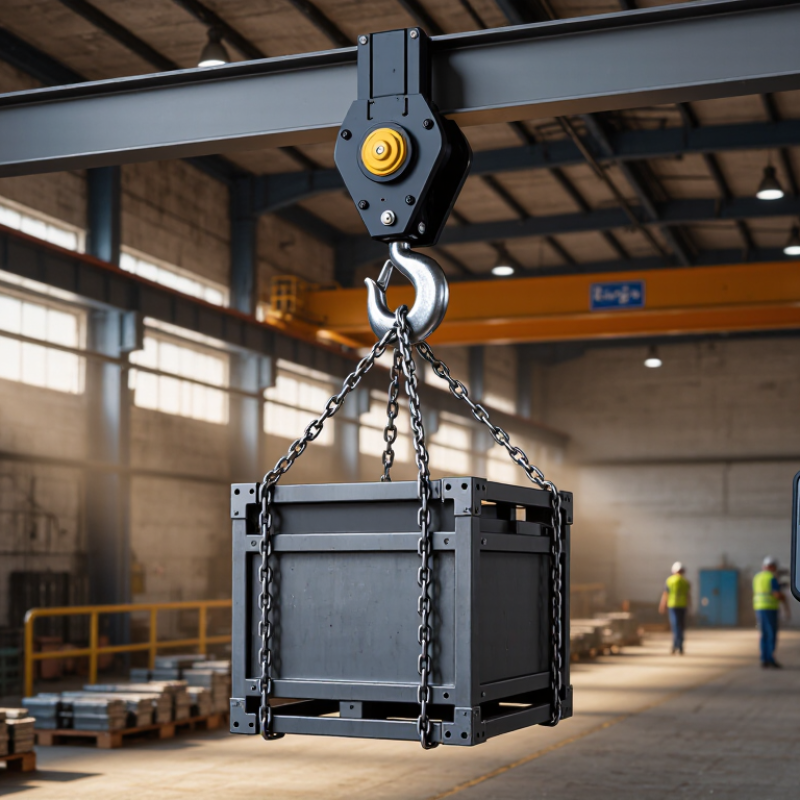
Choosing an electric chain hoist starts with the load, not the catalog’s largest capacity. Record the heaviest item, its lifting points, and any attached rigging. Include the weight of slings and fixtures. A load that swings or starts suddenly can place greater forces on equipment than a steady lift. Leave an appropriate capacity margin, and have a qualified person verify the selection when loads are unusual or uncertain. Guessing is not a plan.
Lifting height matters just as much. Measure the required hook travel, then check the space above the load for the hoist body, trolley, and hook assembly. A beam close to the ceiling may leave less usable lift than expected. Consider how often the load must move and whether operators need variable speed for careful positioning. More speed is not always better; near a workbench, a slow, controlled approach can prevent bumps and damaged parts.
Look closely at the work environment. Dust, moisture, temperature changes, and corrosive vapors can affect electrical components and chain life. Match the hoist’s protection and duty rating to actual conditions, not an idealized shop floor. Check available power, pendant or remote controls, and access for inspection and maintenance. One detail is easy to miss: the hoist may fit the beam but leave no practical room to service it. Recheck the layout before installation.
How to Choose an Electric Chain Hoist? — Assess the Load, Lifting Height, and Work Environment
| Selection Factor | What to Assess | Example Requirement | Practical Hoist Consideration |
|---|---|---|---|
| Rated load capacity | Determine the heaviest load, including attachments and any lifting beam. Do not use the hoist above its rated capacity. | Maximum load: 750 kg, including a 50 kg lifting fixture. | Select a rated capacity of at least 750 kg; a suitable standard capacity may be 1 tonne. Confirm the complete lifting system is rated for the load. |
| Load characteristics | Consider load shape, balance, lifting points, and whether the load could swing or snag. | A 600 kg machine component with two approved lifting points. | Use compatible lifting accessories and a suitable rigging arrangement. Keep the load balanced and avoid side pulling unless the equipment is specifically designed for it. |
| Lifting height | Measure the required vertical travel from the lowest pickup position to the highest placement position, allowing for headroom and hook clearance. | Required vertical travel: 4 m; available headroom: 650 mm. | Specify adequate chain length and check the hoist's headroom against the supporting beam, trolley, hook, and load. A longer lift may require additional chain management provisions. |
| Lifting speed | Balance cycle time against positioning accuracy and the need for controlled handling. | Frequent placement of loads onto a workbench or assembly fixture. | A single-speed model may suit straightforward lifting. A two-speed or variable-speed model can support slower, more precise positioning where permitted by the application. |
| Duty and operating frequency | Estimate lifts per hour, operating hours per shift, load distribution, and expected service intensity. | Several lifts per hour across one shift, with occasional heavier loads. | Choose a duty classification and thermal capacity appropriate to the actual operating cycle. Have a qualified supplier or engineer verify selection for frequent or intensive service. |
| Power supply | Check available voltage, phase, and frequency at the installation location. | Three-phase power available at 400 V, 50 Hz. | Specify a hoist compatible with the measured supply. Confirm motor protection, control voltage, wiring, and electrical installation requirements before commissioning. |
| Work environment | Identify dust, moisture, temperature extremes, corrosive substances, and indoor or outdoor exposure. | Covered workshop with occasional dust and high humidity. | Check the enclosure protection rating and environmental limits. Use appropriately protected equipment where exposure is higher, and follow the manufacturer's cleaning and maintenance instructions. |
| Suspension and travel | Decide whether the hoist will be fixed in place or moved along a beam. | Loads must travel 8 m along an overhead runway. | A compatible trolley may be required. Verify beam compatibility, flange dimensions, support capacity, clearances, and whether trolley movement is manual or powered. |
| Controls and operator access | Consider operator position, visibility of the load, control reach, and emergency stopping needs. | Operator works at floor level with a clear view of the lifting area. | Choose a suitable pendant or other approved control arrangement, with an emergency stop and controls that allow the operator to remain clear of the suspended load. |
| Safety and maintenance | Check applicable local regulations, inspection requirements, installation conditions, and access for servicing. | Hoist installed in a production area used by multiple operators. | Use qualified installation and commissioning personnel. Follow the equipment documentation and applicable rules for inspections, load testing, chain wear checks, and operator training. |
Selection reminder: The examples are indicative only. Confirm capacity, duty, structure, electrical supply, and environmental suitability against the actual application and the hoist manufacturer's documentation before purchase or use.
Related Posts
-
Top 10 Electric Chain Hoist Types for Global Buyers
-
China Best Electric Chain Hoist Features and Benefits Explained
-
Ultimate Guide to Choosing the Best Electric Chain Hoist for Your Needs
-
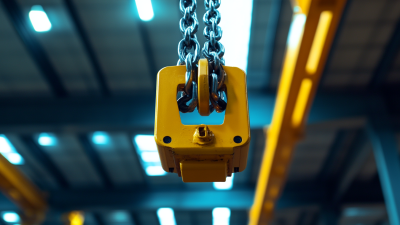
Discover the Future of Lifting Solutions with Our Innovative Electric Chain Hoist
-

What are the Advantages of Using Electric Chain Hoists in Modern Industries
-

Ultimate Guide to Choosing the Right Chain Hoist for Your Business Needs